81%
said an influencer should have used the product they promote. 44% want a long-time user, 37% say at least once.
What it means for you
Time with a product is something you can offer and a generated persona can't.

November 2026
Not across the board, and least of all for work that depends on you. AI tools already generate product videos and entire virtual personas. But when Sprout Social surveyed 2,250 social media users in May 2026, 81% said an influencer should have used the product they promote. A generated persona has never used anything.
Below are the numbers, the formats AI already competes in, a six-question check of your own content, and what to put in your next pitch.
Sprout Social's 2026 Influencer Marketing Report is written for brand marketers. These are the findings that matter most if you make sponsored content.
81%
said an influencer should have used the product they promote. 44% want a long-time user, 37% say at least once.
Time with a product is something you can offer and a generated persona can't.
44%
aren't comfortable with brands partnering with AI influencers. 30% say it depends, 25% are comfortable.
An AI persona comes with an objection a real creator doesn't face: 44% are uneasy about it. Sprout notes that these partnerships are rare for now and that most AI influencers are still building an audience.
27%
aren't sure whether they follow any AI influencers. 13% know they do.
Audiences can't always tell. Real use, filmed in your own space, helps make the difference visible.
17%
said follower count is a factor when they decide to follow a creator. 47% named the subjects a creator covers, 29% their recent posts.
With audiences, a clear niche and strong recent posts count for more than the number on your profile.
21% / 15%
21% are more likely to buy on a niche creator's recommendation, 15% on a large creator's. 33% say size makes no difference.
Audiences don't treat a smaller following as a weaker recommendation. Use that in a pitch.
Sprout Social, The 2026 Influencer Marketing Report. Online survey of 2,250 social media users in the US, UK and Australia, May 14–20, 2026.
The pressure isn't spread evenly. It lands first on content that doesn't need a specific person to have done anything. The formats further down the table depend on you, whether you pitch a brand yourself or apply to an offer on Monetad.
Yes. Generative video already does this.
Brands buying content in bulk can compare your rate with a tool's.
Yes. UGC-style avatar ad tools are on the market.
The FTC hasn't banned AI avatars in ads. Its rule on reviews and testimonials (16 CFR 465) prohibits testimonials that misrepresent that the speaker exists or has used the product.
Not truthfully.
Someone has to spend the month with the product. 44% of consumers want the creator to be a long-time user.
Hard to fake in a way viewers believe.
The result happens in a real setting your audience already knows from the rest of your feed. A generated clip can only imitate one.
Not without someone who has the product.
38% follow niche creators to learn something, 31% for the community around them.
No.
It depends on being there.
If you use realistic AI-generated or AI-altered footage, label it. YouTube, TikTok and Meta require a label on realistic AI-generated or altered video and audio, and can apply penalties to posts without one. YouTube doesn't require a label for beauty filters or AI help with a script. Rules as of October 2026; general information, not legal advice.
Six questions about how you make sponsored content today. Answer them for a typical paid post, and you'll get a score from 0 to 12 plus the changes worth making first.
When you promote a product, do viewers see you using it in your everyday life, at home or at work?
Platforms that connect brands with creators are one way to put this into practice. Monetad is one of them: an iOS app where brands publish offers and creators apply. You agree on deadlines and formats with the brand in the in-app chat before you start, then create the content.
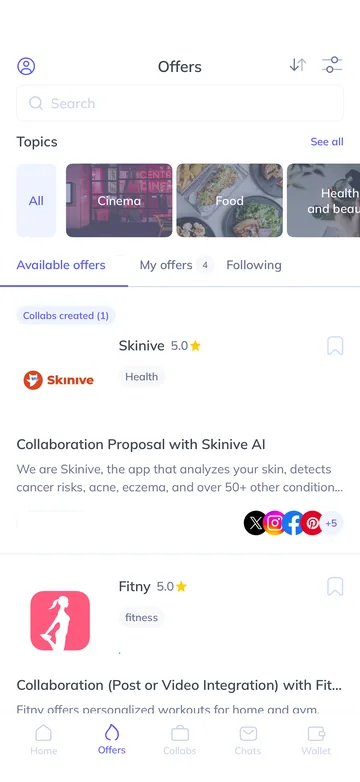
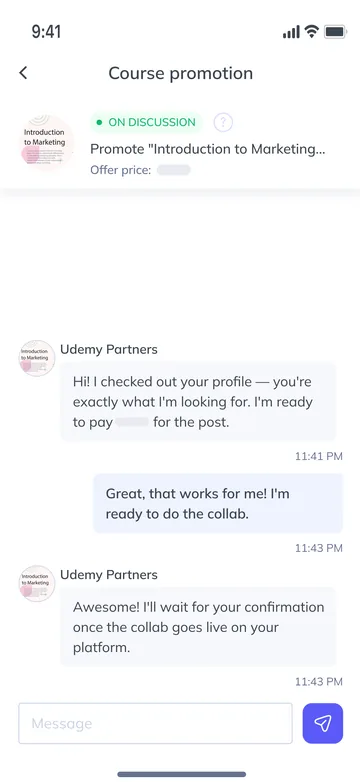
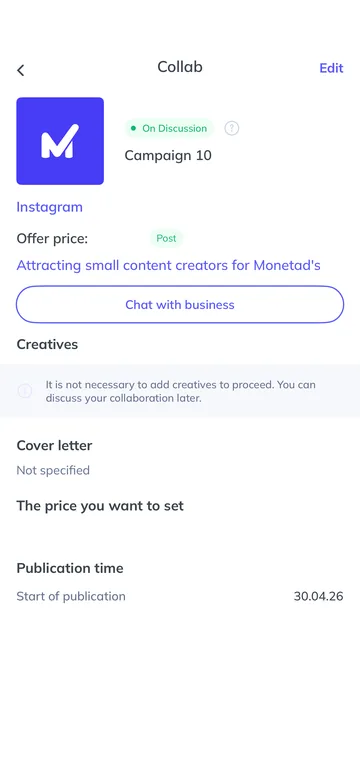
Creators receive payment after the work is approved.
If something goes wrong with the work, there's someone to go to.
Nano and micro creators can join. Each offer has its own requirements, and brands review applications.
Sprout's report advises brands to work with niche creators on tutorials, unfiltered reviews and Q&As. It also shows that audiences follow creators mainly for their subjects and recent posts. Pitch to that.
For some kinds of work, yes. Current evidence doesn't point to it replacing most of what audiences say they value. AI personas exist and some have brand partners, though Sprout Social notes these partnerships are still rare. In its May 2026 survey, 44% of consumers weren't comfortable with brands partnering with AI influencers, 30% said it depends and 25% were comfortable.
UGC that is only product footage is already under pressure, because tools can generate it. UGC built on someone using the product is harder to replace. In the US, the FTC's rule on reviews and testimonials, in effect since October 21, 2024, prohibits testimonials that misrepresent that the speaker exists or has used the product. The FTC has said there's no blanket ban on AI avatars in marketing.
AI already writes scripts, cuts video and generates footage, and creators use it for those tasks themselves. So far, it has taken over tasks within creators' workflows more than it has replaced creators. Audiences still follow creators mainly for the subjects they cover. With niche creators, learning something and the community around them also count (Sprout Social, 2026).
If the footage looks realistic, usually yes. YouTube, TikTok and Meta require creators to label realistic AI-generated or AI-altered video and audio, and can apply penalties to posts without a label. YouTube doesn't require a label for beauty filters or AI help with a script. In the EU, the AI Act requires professional users to disclose deepfake images, audio and video from August 2, 2026. Rules as of October 2026; this is general information, not legal advice.
To audiences, less than you might think. 17% of consumers said follower count is a factor when they decide to follow a creator, while 47% named the subjects a creator covers. On purchases, 21% are more likely to buy on a niche creator's recommendation and 15% on a large creator's (Sprout Social, 2026).
On Monetad, brands publish offers and creators apply in the iOS app. You agree on the details with the brand in the in-app chat, then create the content. Creators receive payment after the work is approved.
Disclaimer: This page summarizes public research and published rules as of October 15, 2026. It's general information, not legal advice. Rules change and differ by country and platform. For your own situation, check the current version of each source or talk to a lawyer.